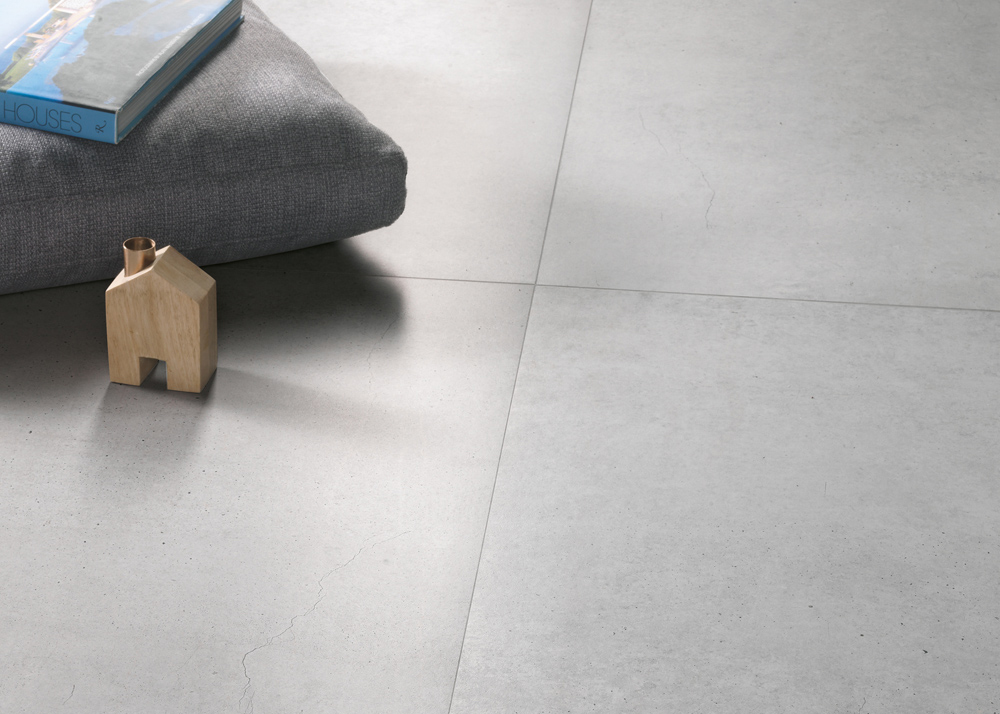
Rainscreen Cladding Systems
Ceramiche Refin produces porcelain tiles of various sizes suitable for the creation of rainscreens.
This wall cladding system, originally used in Northern Europe, is currently experiencing tremendous popularity amongst planners and designers thanks to its excellent thermal insulation features, that allows for a considerable improvement of the heating and cooling systems of buildings.
Rainscreen Cladding & Façade Systems
The use of ventilated façades also improves the acoustic insulation, contributing towards the certification of the building itself, and also protects buildings from adverse weather conditions and allows for renovation projects without the need of disruptive building works.
How do rainscreens work?
A metallic structure, and, eventually, an insulation layer, is installed onto the original building structure. The tiles are anchored via stirrups (visible or foldaway) to the metallic structure to create airspace between insulating panels and tiles.
This gap between the two covering surfaces allows for the passage of air via a “fireplace effect”, an effective natural ventilation that allows for perfect transpiration of internal walls, which results in the cooling of the building, and, when air circulation is stopped, resulting in a thermal insulation effect during winter.
The rainscreen system
Ventilated rainscreens using ceramic tiles consist of:
- The original wall structure
- A bearing metallic structure anchored to the wall
- Wall tiles
- An optional insulating layer anchored to the wall
Ventilated rainscreens made using Ceramiche Refin tiles, offers a wealth of functional and aesthetical advantages when compared to traditional wall coverings.
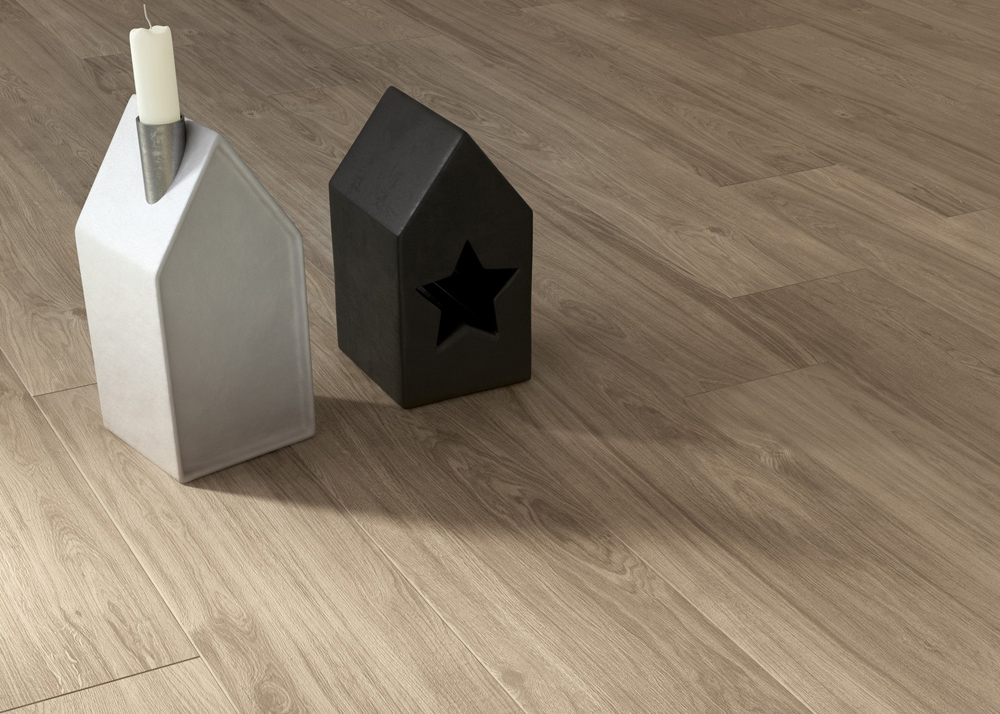
Wood Look Tile
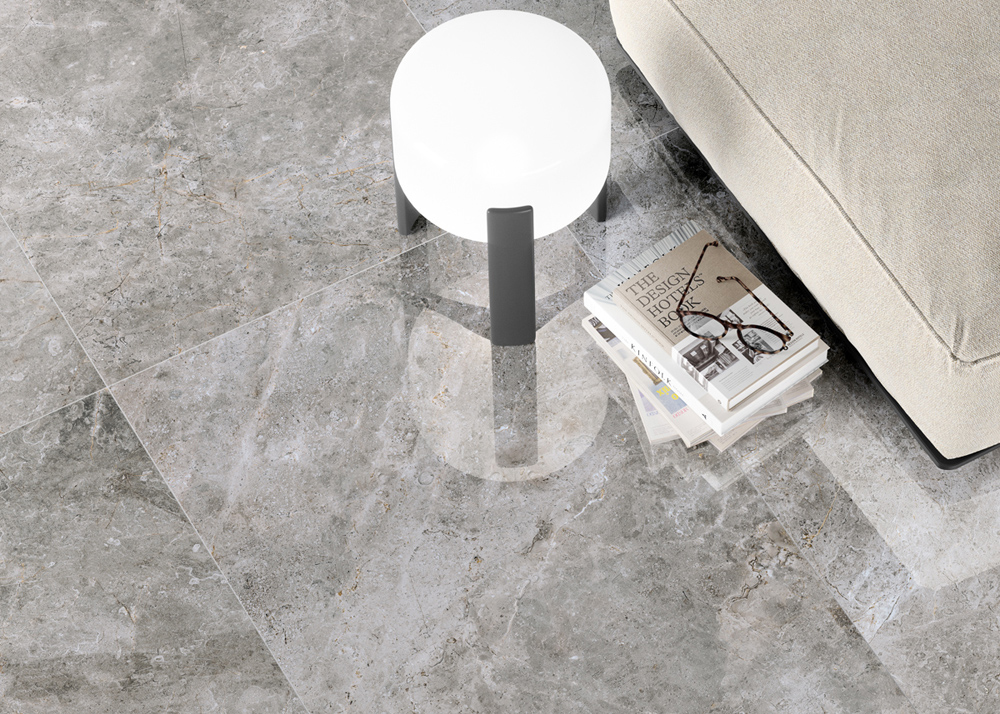
Marble Look Porcelain Tiles
Stone Look Porcelain Tiles
Concrete Look Tile